
International school program focuses on science that serves society
Dear Colleagues and Friends,
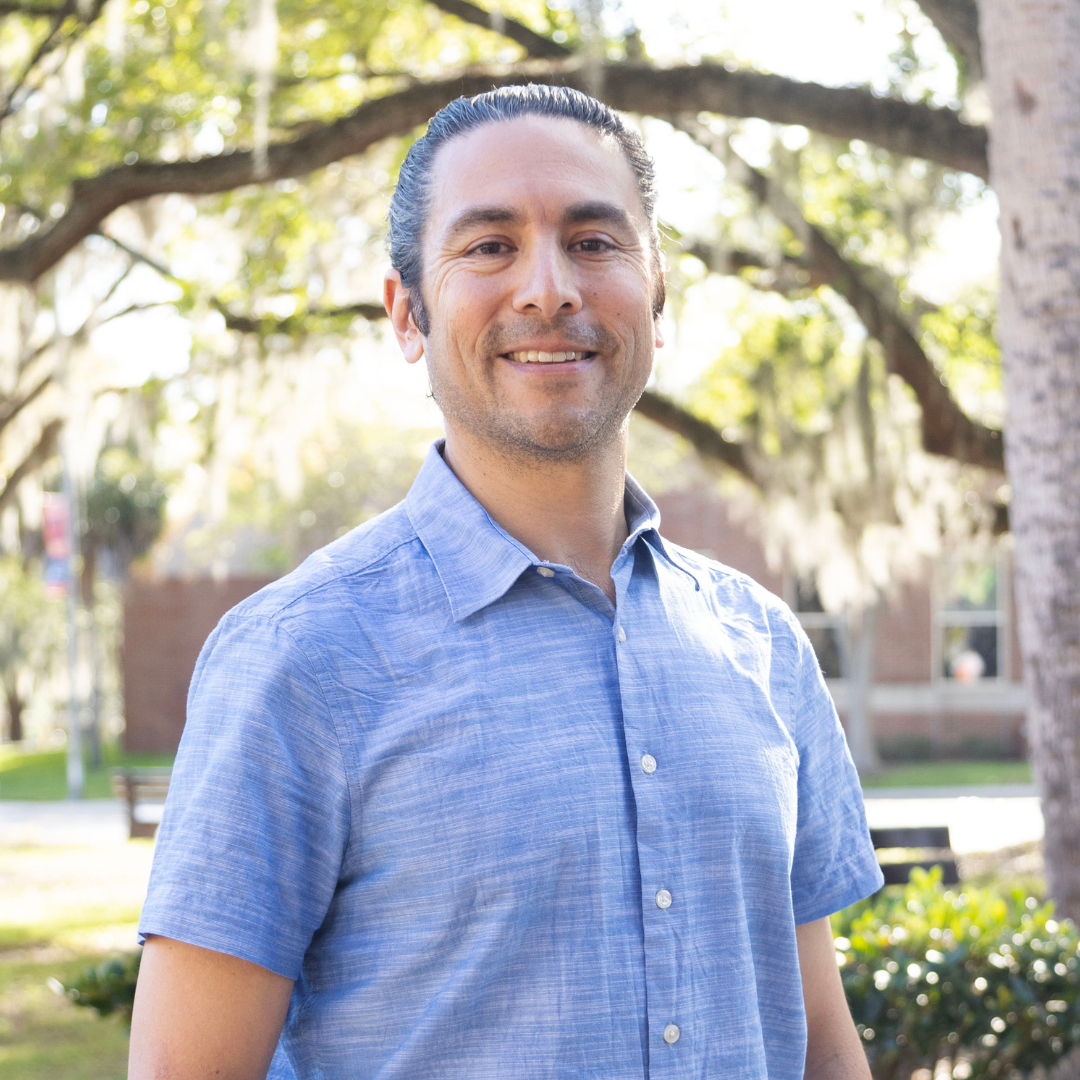
I recently had the honor to serve as an instructor at the Global Ocean Oxygen Decade – Ocean Acidification Research for Sustainability (GOOD–OARS) International Summer School, held Nov. 4–11, 2025, at the Centre for Marine and Coastal Studies in Penang, Malaysia.
The program — organized by the Intergovernmental Oceanographic Commission (IOC) of the United Nations Educational, Scientific and Cultural Organization (UNESCO), with partners including the IOC-supported Global Ocean Oxygen Network (of which I am a member) and the Global Ocean Acidification Observing Network — brought together 34 early-career scientists from 23 countries. Their energy and curiosity underscored the importance of preparing the next generation of ocean scientists as we confront deoxygenation, acidification and other global ocean challenges that threaten the ecosystems upon which we depend for our livelihoods and lives.
Our team combined hands-on experimentation, field work, lectures and thoughtful discussions on cutting edge science, communications, community engagement strategies, and professional development. A highlight was a stakeholder event with the local aquaculture community that faces water quality challenges impacting their harvests. These real-world connections illustrated the goal of the United Nations Decade of Ocean Science for Sustainable Development: science that serves society.

Representing the Center for Coastal Solutions (CCS) in this global setting reaffirmed our commitment to international collaboration and advancing coastal solutions through world-class research and education. This work also highlights the reach of CCS — extending our expertise and partnerships to support coastal communities and scientists around the world. I returned inspired by the talent and drive of these early-career researchers and with renewed appreciation for the extraordinary young scientists and engineers here in CCS who are prepared by our program to contribute on the world stage.
To the CCS team: Your dedication is the backbone of the center’s success, and it has been a privilege to work alongside you. I am equally grateful to our Advisory Board for their guidance, insight and steadfast support throughout this past year.
As I close this message — my final note as interim director — I wish the incoming director every success in leading CCS into its next chapter, supported by the exceptional staff, students, faculty, affiliate faculty and board who make this a truly world-class center.
Wishing all of you a joyful and restorative holiday season.