
A retrospective on what makes CCS great
Dear Colleagues and Friends,
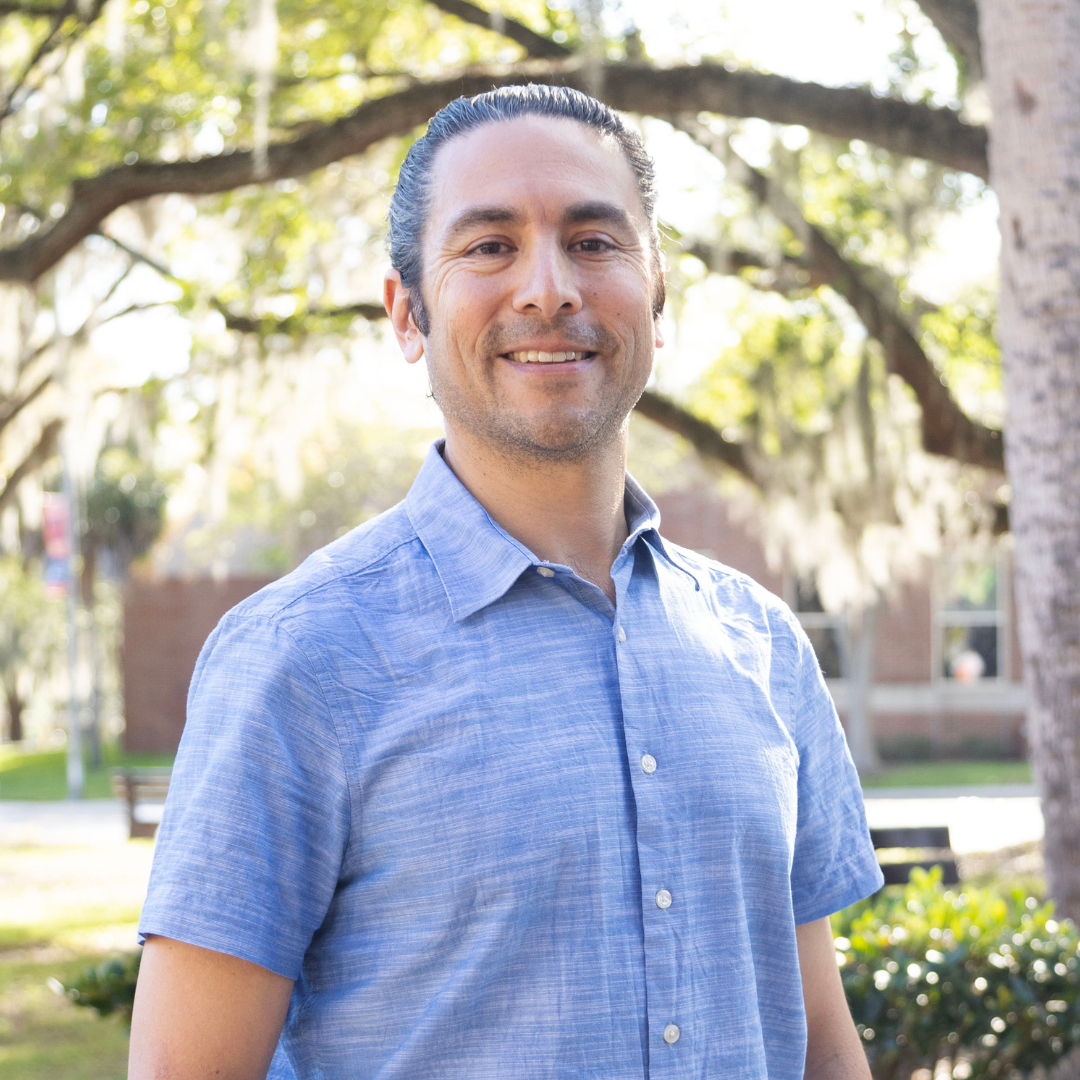
After nine months as interim director, my stint is ending as the search for the next director enters the final stages. It’s been a rewarding chapter, one that’s deepened my appreciation for the people who make this community what it is and for the shared commitment to advancing coastal resilience through science and collaboration.
The Center for Coastal Solutions sets itself apart in how we operate at the nexus of science, engineering and emerging technologies — a combination that’s fueling smarter, data-driven solutions for coastal challenges. Our projects unite faculty and researchers from across disciplines, departments and colleges to address pressing issues in water quality, storm protection, and shoreline stability. We’re not only generating practical results that are being implemented but also strengthening the university’s capacity to lead on coastal resilience and adaptation.
This year’s progress includes launching multi-year projects with federal sponsors including the US Army Corps of Engineers (USACE) and NOAA. We’ve also established new memorandums of understanding with community partners such as the Town of Orchid to meet the challenge of coastal habitat loss. On the education front, we’ve created working groups with the U.S. Army Engineer Research and Development Center to expand educational and research exchanges — ranging from visiting scientist opportunities to student internships and capstone courses that tackle real-world challenges being addressed by the Corps. These efforts will not only strengthen our partnership but also create valuable professional development pathways for staff and students alike.

A recent survey of our affiliate faculty revealed what they value most about working with CCS: the opportunity to join innovative research projects, connect directly with decision-makers, and share their work across a vibrant and growing community of scientists, engineers and partners through our events and communication channels. Building on this feedback, we’re planning more opportunities for collaboration, visibility and engagement in the year ahead.
As always, the strength of CCS lies in its people. Our graduates are entering the workforce ready to apply their skills, while new students bring fresh ideas. Our faculty continues to push boundaries in how research can inform coastal management and policy. The CCS staff brings professional expertise to our operations, and our advisory board and partners remain key to translating vision into action. Credit for the continued success and impact of CCS is shared across the efforts of this vibrant community.
I’m proud of what we’ve accomplished together over these past months, and confident that CCS will continue driving progress toward stronger, more resilient coastal communities.
Andrew H. Altieri
Interim Director
Center for Coastal Solutions