
WHERE
Phelps Lab 101
1953 Museum Rd, Gainesville, FL 32611
This month’s forum will feature Amanda Chappel, a Ph.D. candidate in UF’s Department of Environmental Engineering Sciences. Her research examines how coastal ecosystems respond to nutrient enrichment from wastewater discharge in lower Tampa Bay by examining seagrass, macroalgae and epibiota communities through stable isotope and elemental analyses. Adam Hymel, a Ph.D. candidate in UF’s Department of Environmental Engineering Sciences, will present his research on developing a remote-sensing and stakeholder-informed framework to guide restoration planning in a salt marsh-mangrove system in St. Augustine, Florida.
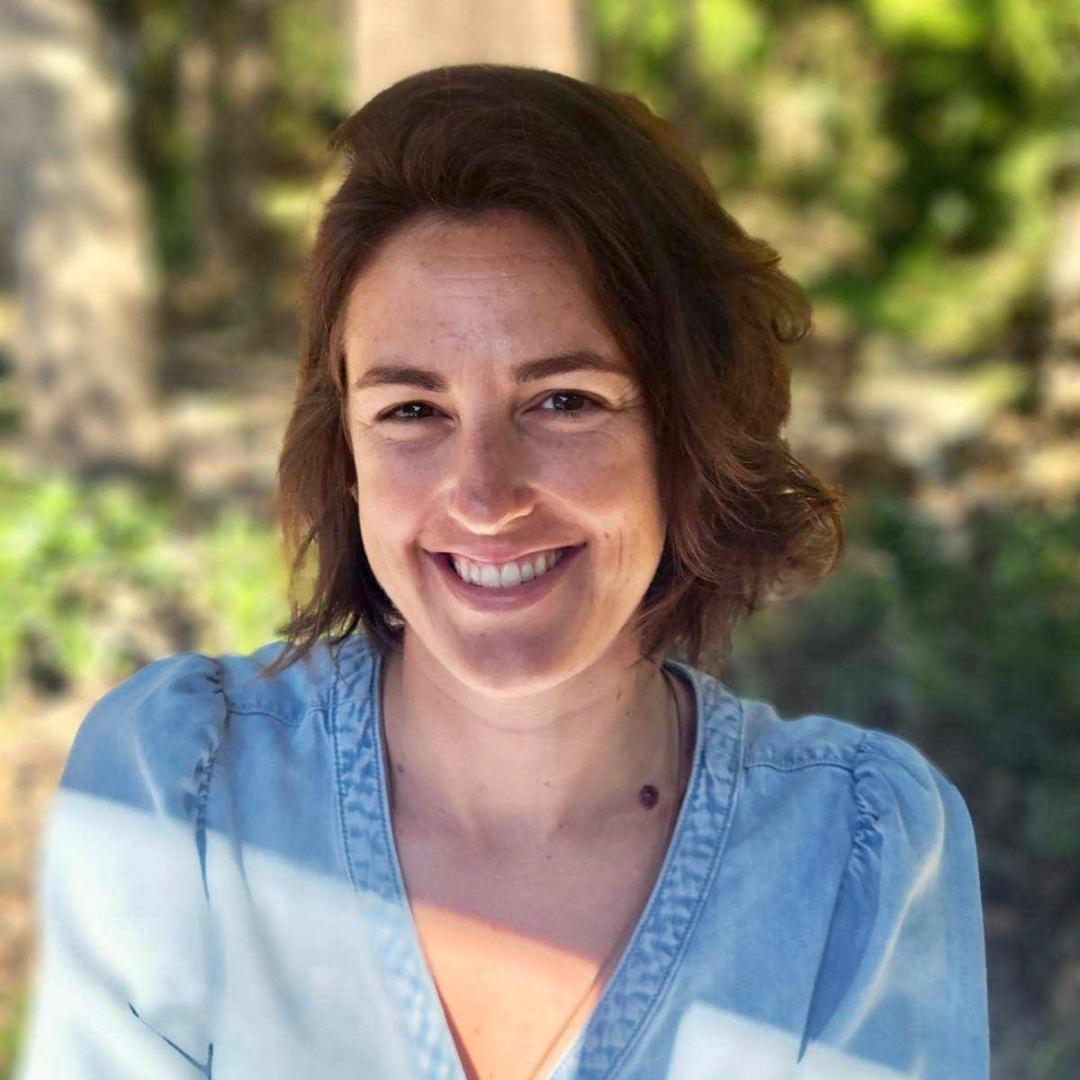 |
Carbon and nutrients in seagrass and macroalgae biomass reveal drivers of change
Abstract: Cultural eutrophication is a major global threat to coastal ecosystems, driven by excess nitrogen (N) and phosphorus (P) that disrupt ecological balance and fuel algal overgrowth in habitats such as seagrass meadows. To examine ecosystem responses to a wastewater discharge from an industrial phosphogypsum facility, we monitored seagrass, macroalgae, and epibiota density and diversity, along with tissue nutrient content and water quality, at sites in lower Tampa Bay over two years. Stable isotope (δ¹³C, δ¹⁵N) and elemental stoichiometry (C:N:P) analyses were used to identify nutrient sources and evaluate biological responses to stressors such as toxicity, light limitation, and salinity changes. Differences among sites and species through time demonstrate that integrating isotope and stoichiometric data with biological monitoring can provide powerful insights into ecosystem resilience and recovery following eutrophication events. Bio: Amanda Chappel is a Certified Ecologist with ten years of experience in environmental systems research, specializing in coastal water chemistry and wetland soil biogeochemistry. She holds B.S. and M.S. degrees in Environmental Science from the University of South Florida. Her research spans carbon burial in mangrove forests, nutrient cycling in estuarine habitats, and mapping of terrestrial and aquatic ecosystems. As a Ph.D. student in the University of Florida’s Department of Environmental Engineering Sciences (ESSIE), Amanda investigates the impacts of coastal eutrophication to support management strategies that reduce human pressures and protect vital habitats such as seagrass meadows. |
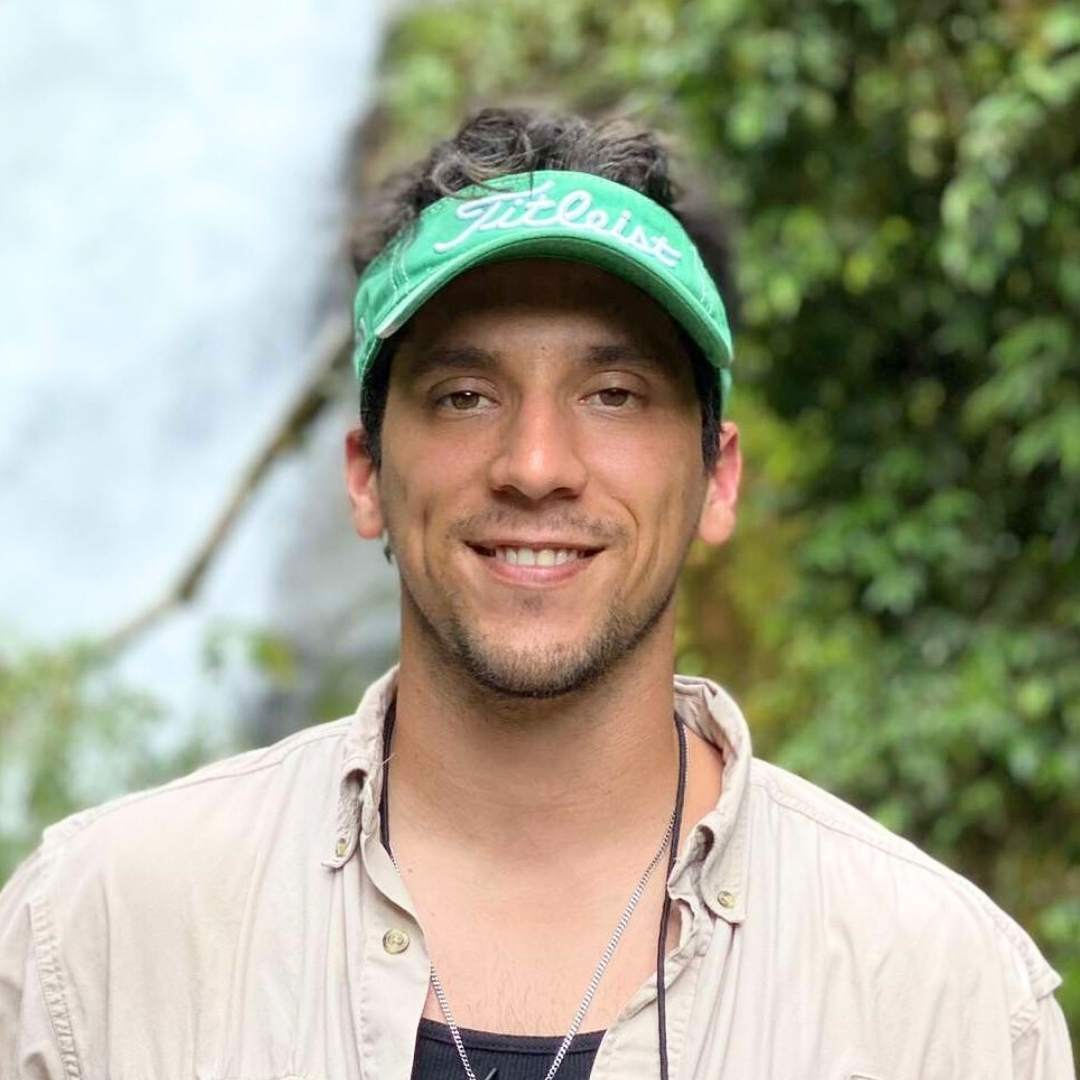 |
Informing coastal wetland thin layer placement restoration through remote sensing and community outreach
Abstract: Due to a multitude of anthropogenic drivers, coastal wetlands have lost approximately 50% of their historical coverage, deterioration that is accelerating with rising sea levels. To sustain and restore coastal wetlands, thin layer placement (TLP), whereby sediment dredged from adjacent water bodies are spread across existing wetlands or shallow mudflats to increase surface elevations, has emerged as a viable approach. However, it remains unclear how sites should be prioritized for TLP interventions, a step vital to efficiently coordinating dredging activities with coastal wetland restoration activities. Here, we present a workflow to prioritize sites that leverages publicly available remote sensing data products and an iterative process for engaging invested actors and vet its applicability in a deteriorating salt marsh-mangrove co-dominated system in St. Augustine, Florida. In our focal system, a long-term analysis revealed a few spatial hotspots of significant wetland area loss, while a short-term analysis revealed rapid expansion of mangroves, which appear to slow wetland conversion to mudflat. Invested actors engaged via multiple workshops and a survey voiced concerns about TLP affecting oyster resources and indicated a preference for prioritizing sites for TLP applications that are shoreward of vital infrastructure versus more natural habitats. Taken together, this transferable workflow provides a data-driven and invested actor-informed process for TLP site prioritization within threatened coastal wetlands, including within our rapidly evolving site in northeast Florida.
|
WHAT TO EXPECT EACH MONTH
Welcome & Center Updates
Quick highlights of upcoming events, project news and opportunities.
Science Talks / Skills Workshops
Two 15-minute presentations from undergrads, grad students, postdocs, faculty, or visiting speakers, with time for Q&A. Topics and disciplines rotate monthly for a fresh mix of ideas.
Some months, we will also feature mini workshops on professional development (e.g., how to make a great research poster, CV tips) or research skills from faculty and visiting experts.