Save the Date: Optimizing Solutions for Resilient Coasts
December 11-12, 2025
UF Campus + Austin Cary Forest Campus, Gainesville, FL
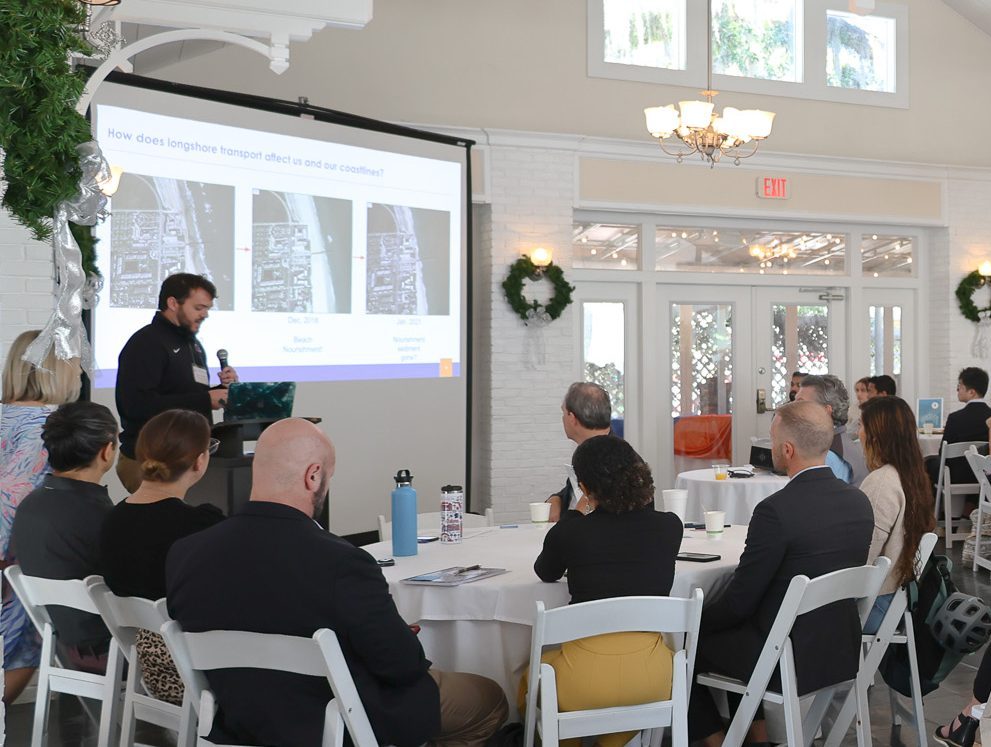
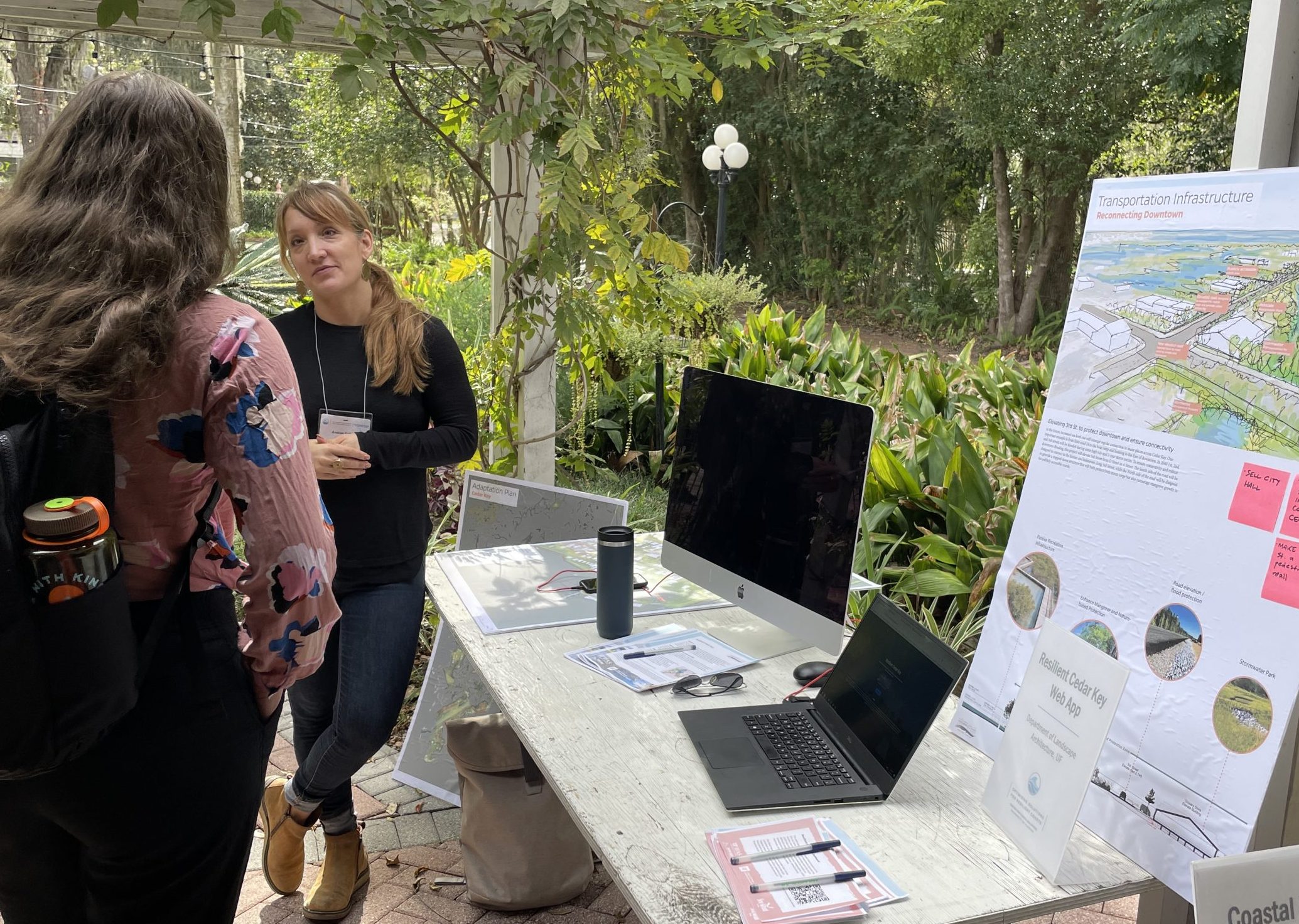
Connect with Coastal Leaders at the CCS 2025 Summit
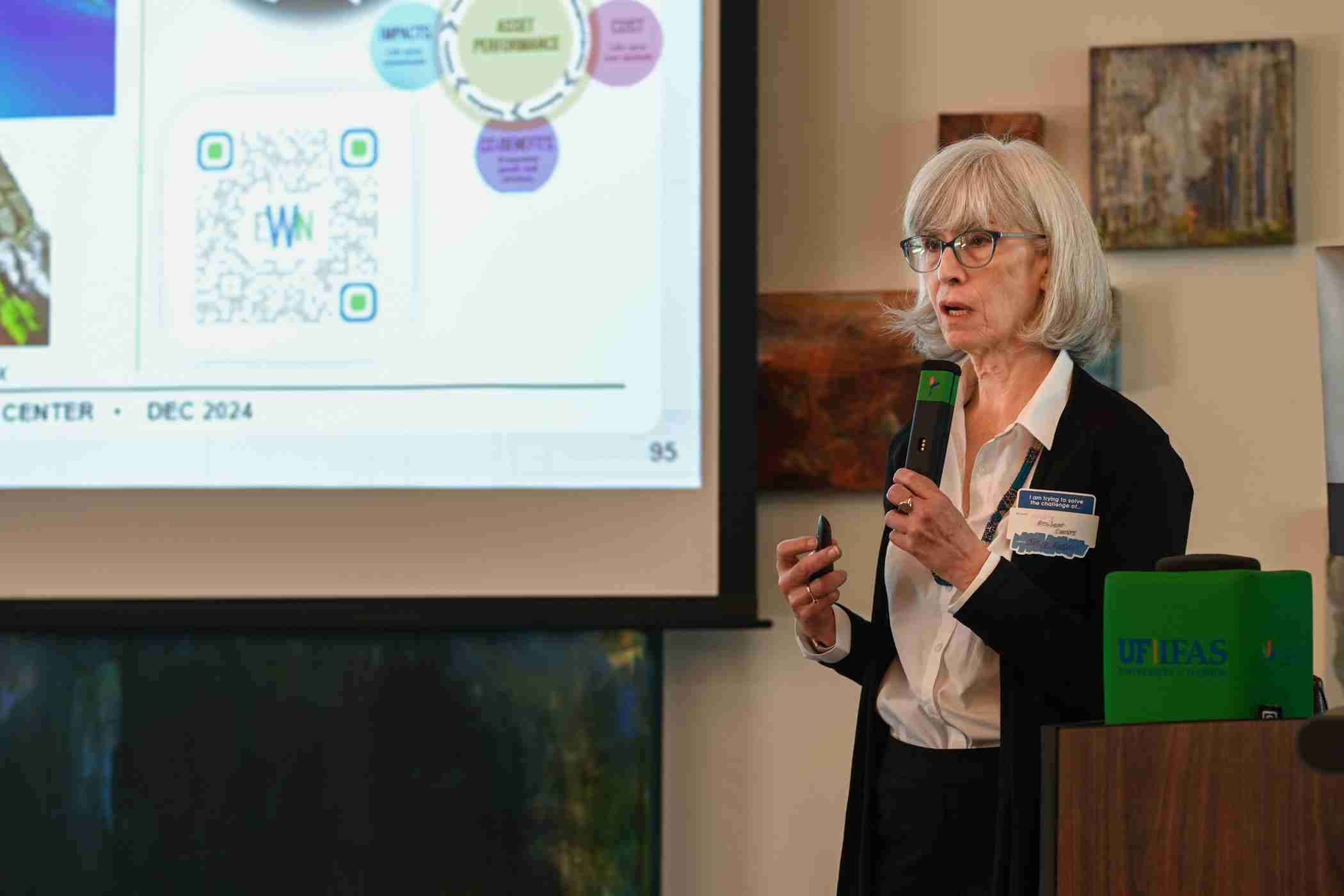
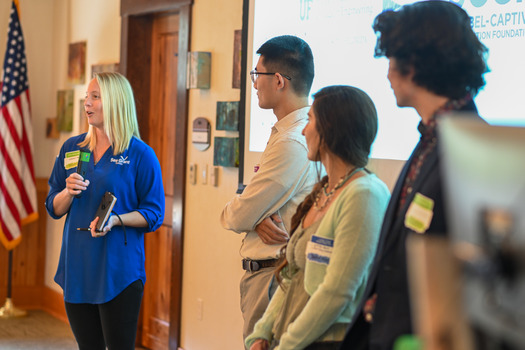
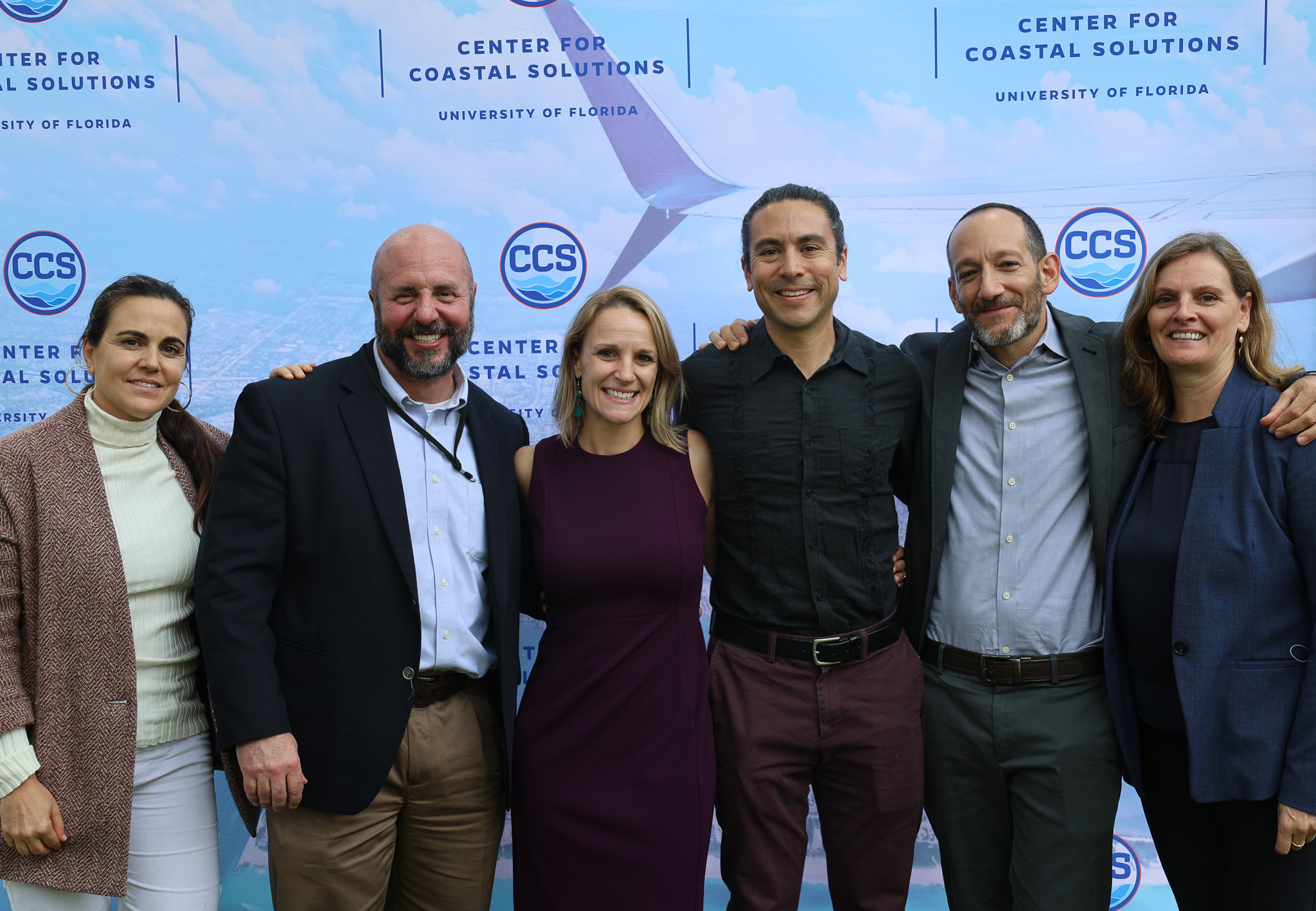
Join us for our fourth annual summit – Optimizing Solutions for Resilient Coasts – bringing together experts from academia, engineering, and government to advance strategies that improve water quality, restore ecosystems, and strengthen community resilience across Florida, the Southeast and beyond.
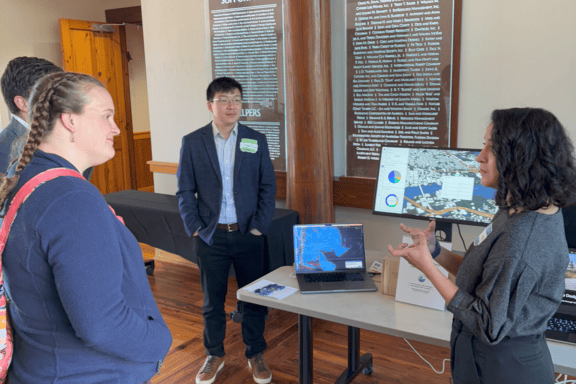
Program highlights include a keynote by Christine Shepard, Director of Science for The Nature Conservancy’s Gulf Program, lightning talks on cutting-edge coastal research and technologies, a student / postdoc poster session showcasing emerging talent, and networking breaks designed to spark new ideas and collaborations.
Whether you’re sharing expertise, exploring partnerships, or scouting new talent, this summit offers a unique platform to accelerate coastal solutions. Don’t miss this opportunity to grow and connect — register now to reserve your place.
Interested in elevating your organization’s visibility, and connecting with leaders and rising talent in coastal resilience? Consider sponsoring the summit — learn more and sign up here.
Follow #CCSsummit2025 for updates — we look forward to welcoming you in Gainesville!
Andrew Altieri, Ph.D.
Interim Director
Center for Coastal Solutions
Engineering School of Sustainable Infrastructure & Environment
Note: This event is by invitation only. Tickets are nontransferable.


Program
December 11, 2025 | UF Campus
10:00 a.m. – 12:00 p.m. — Flash Networking Breakfast
December 12, 2025 | Austin Cary Forest Campus
8:00 a.m. — Registration and coffee
9:00 a.m. — Welcome
9:05 a.m. — Minutiae Moment
9:10 a.m. — ESSIE Students: Changing the World
9:20 a.m. — Lightning Talks
10:00 a.m. — Break
10:30 a.m. — Keynote Introduction
10:40 a.m. — Nature-based Solutions at Scale: Lessons from the Gulf Coast
11:10 a.m. — Poster Session
12:10 p.m. — Lunch
1:10 p.m. — Designing for Resilience: Lessons from the Rebuild by Design Initiative
1:20 p.m. — From Research to Resilience: Scientific Innovations for Coastal Systems
1:50 p.m. — Linking Watersheds and Estuaries: Tools for Predicting and Managing Water Quality in South Florida
2:20 p.m. — Using Citizen Science to Monitor Coastal Morphologic Change in St. Johns County, FL: CoastSnap St. Augustine Beach
2:30 p.m. — Rapid Fire Reflections
2:50 p.m. — Closing / Raffle Draw
Speakers

Peter Adams, Ph.D., professor in geological sciences, researches how to improve our understanding of the relationships between surface processes and land-form evolution over time scales that range from a few seconds to millions of years.
Areas of expertise:
- Geomorphology
- Coastal processes
- Climate change

Stephen is a Ph.D. student in Civil and Coastal Engineering at the University of Florida. His research integrates field measurements and remote sensing to examine how the geotechnical properties of sandy-beach sediments relate to beach geomorphodynamics.

Andrew Altieri, Ph.D., is an environmental engineering sciences associate professor and leads the center’s nature-based solutions program, which harnesses natural features to sustainably manage ecosystems and promote their resilience. His childhood adventures snorkeling and scuba diving sparked his passion for coastal environments.
Areas of expertise:
- Coral reef ecology
- Anthropogenic impacts
- Coastal resilience/restoration
- Nature-based solutions
Program lead: Nature-based solutions

Mauricio Arias, Ph.D., is an associate professor of water resources and environmental engineering at the University of South Florida, where he is the Principal Investigator of the Watershed Sustainability Lab and teaches undergraduate and graduate courses in water resources. He recently returned from being a Fulbright Scholar with the Coastal Engineering and Processes Lab at National Autonomous University of Mexico.

Robert Bailey brings more than 40 years of experience from his career in global water consulting and as president of CH2M’s Water Business. Previously, he was a member of the Global Water Agenda Council for the World Economic Forum and served on Governor DeSantis’ transition team for water, the environment and agriculture.

Christopher Benosky is a Vice President of AECOM located in the New York Metro area. He serves as AECOM’s Global Water Business Line’s Climate Adaptation and Resilience lead. Benosky has over 30 years of experience in coastal storm risk management, and he sits on the Advisory Committee for Monmouth University’s Urban Coastal Institute.

Amanda Chappel has ten years of experience in environmental systems and biological research with a focus in coastal water chemistry and wetland soil biogeochemistry. As a Ph.D. student within UF ESSIE, she is studying the ecosystem effects of coastal eutrophication in estuarine systems with the goal of supporting effective management strategies that will advance solutions to minimize anthropogenic impacts to coastal waters and essential habitats such as seagrass meadows.

Taryn Chaya is a Ph.D. Candidate in the School of Natural Resources and Environment at the University of Florida, where she studies how mosquito control impoundment management influences water quality and nutrient cycling in the Indian River Lagoon. Her work explores how these modified coastal wetlands can be strategically leveraged to improve water quality in the lagoon and other estuarine systems.

Kurtis Gurley, Ph.D., researches wind effects on residential structures and stochastic modeling of extreme winds and structural resistance. He couples field data with post-storm residential damage assessments, laboratory evaluations of component capacities, and wind tunnel studies to model the vulnerability of residential structures to hurricane wind damage.

David Kaplan, Ph.D., environmental engineering sciences professor and director of the H.T. Odum Center for Wetlands, spearheads the center’s optimizing water quality solutions program to inform decisions for improved water quality management at Lake Okeechobee.
“It’s a cliché to say water is life, we like to add water quality is health.”
Areas of expertise:
- Water quality
- Harmful algal blooms
- Hydrology
Program lead: Optimizing water quality solutions

Sharon Ryan, associate director for strategy and communications, guides strategic planning, action planning and stakeholder engagement for large-scale, multidisciplinary projects. She also leads communications and partnership initiatives for the center. Her facilitation approaches are designed to be inclusive of multiple perspectives, support teams to do their best thinking, and foster ownership of results.
Areas of expertise:
- Facilitation
- Strategy
- Science communications
- Partnerships | Development

Postdoctoral Research Associate Patrick Saldaña, Ph.D., is a marine community ecologist leading several research projects in Panamanian coral reefs to uncover mechanisms of resilience that may enhance coral reef restoration and management. He enjoys surfing and bossa nova guitar.
Areas of expertise:
- Marine ecological processes
- Legacy effects
- Coral reef dynamics

Christine Shepard, Ph.D., director of science for The Nature Conservancy’s Gulf Program, leads science efforts to support nature-based solutions that enhance coastal resilience, restore ecosystems and benefit Gulf communities. Her work bridges research, policy and practice — focusing on projects that integrate natural infrastructure, address climate and coastal hazards, and inform sustainable coastal management. Shepard collaborates with partners across sectors to advance innovative, science-driven strategies that are scalable, equitable and grounded in real-world impact.

Scott Lee Young is a Ph.D. candidate in Civil and Coastal Engineering at the University of Florida, studying estuarine hydrodynamics and its influence on hypoxia. His work combines statistical analysis and numerical modeling towards predicting water quality. He is a Melnick Scholar, and former CERF Rising Tides Fellow and Fulbright Scholar.
Registration Information
Early Bird Registration:
Early registration ends on Friday, October 24, 2025.
Students and Postdoctoral Researchers: $35
UF Faculty, Staff and External Registrants: $75
Regular Registration:
Students and Postdoctoral Researchers: $50
UF Faculty, Staff and External Registrants: $90
Please note, as the event is invitation only, please register early to guarantee your spot.
Registration includes lunch and a coffee break.
Student and Postdoc Poster Session
The summit offers an opportunity for students and postdocs to share their research with peers and colleagues in a poster session. All presenting students and postdocs must register for the summit itself and submit an abstract for review. Please note that abstract submissions are due by Tuesday, September 30, 2025, and poster spaces are limited and will be on a first come, first served basis.
Posters can be a maximum of 3 feet by 4 feet and orientation can be either portrait or landscape.
Lightning Talks
Additionally, four students / postdocs will have the opportunity to give lightning talks. If you would like your abstract to be considered for a lightning talk slot, please note it in your abstract when you submit. Speakers will be expected to attend 2 to 3 training / practice sessions to help prepare for their lightning talks.
Flash Networking Breakfast
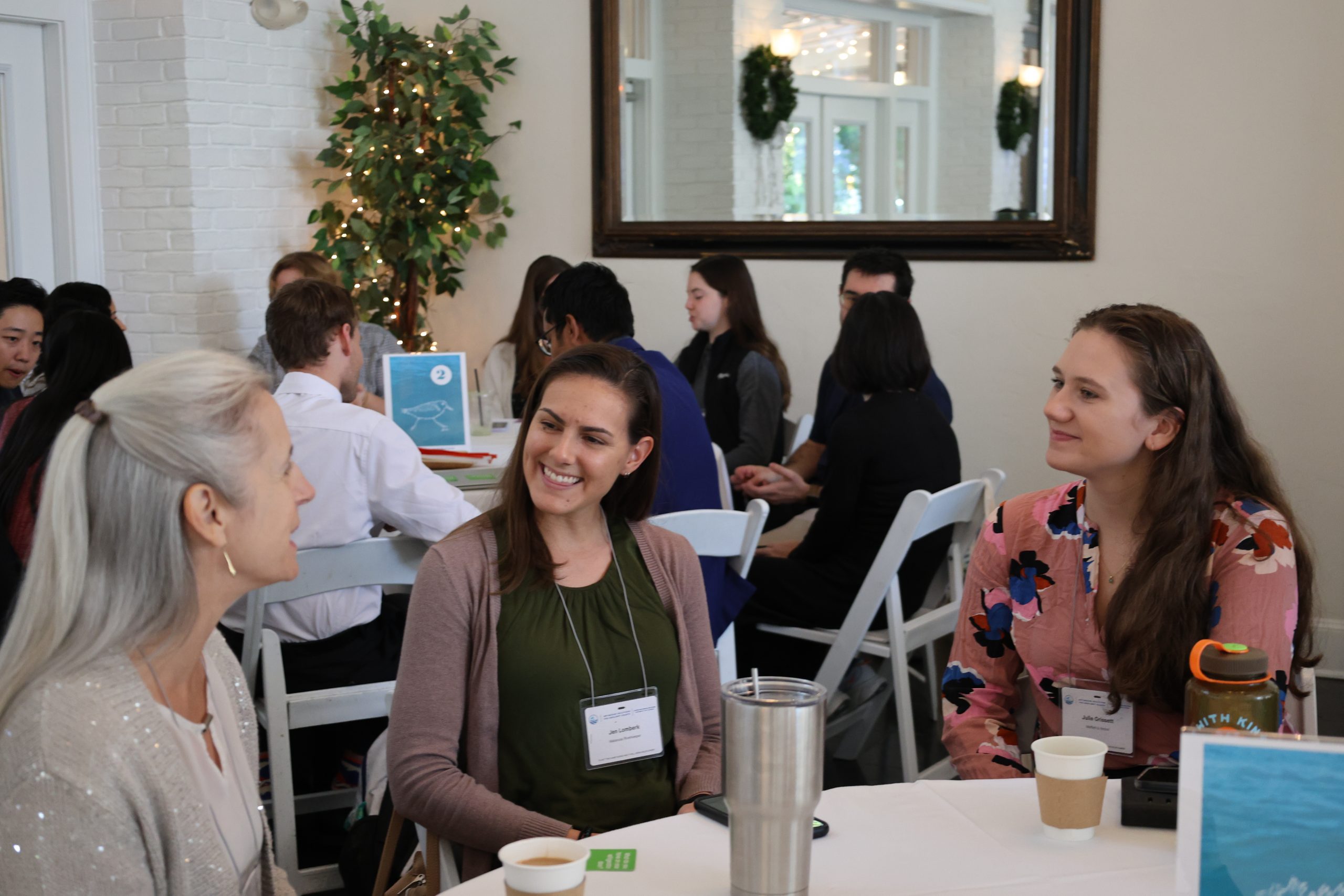
Join us for the Flash Networking Breakfast on Dec. 11 (10 AM – 12 PM at UF Reitz Union) — a fast-paced event connecting students / postdocs with coastal and environmental professionals. Space is limited, so be sure to check the box to sign up as a student or mentor when you register.
Thank you to our sponsors!
Ocean Level

Estuary Level


Riverine Level

Flash Networking Breakfast

Venue
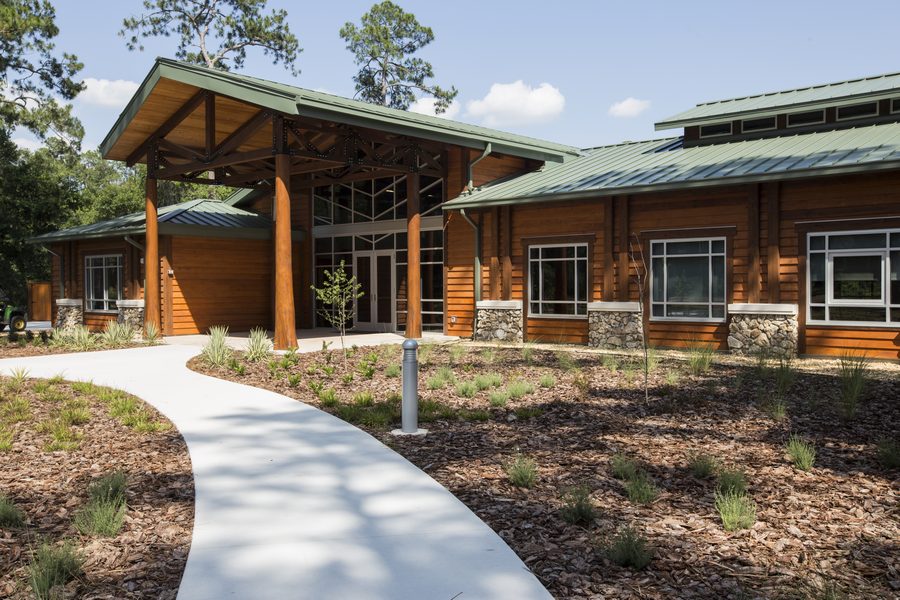
Austin Cary Forest Campus is located at 10625 NE Waldo Rd, Gainesville, FL 32609. The Stern Learning Center is 1.5 miles (about a five minute drive) from the entrance.
Directions:
From I-75 Southbound: Take Exit 390 (FL-222/NW 39th Ave) East (almost 10 miles) to Waldo Road. Turn left (North); approximately 6 miles later, you’ll see a sign on the right-hand side indicating the Austin Cary Forest.
From I-75 Northbound: Take Exit 382 for FL-121/FL-331/Williston Road and turn left (North). Travel for 14.5 miles (approximately 20 minutes). Austin Cary Forest is on your right.
From I-10: Take Exit 343 (US 301) south. Continue south for approximately 36 miles through the cities of Starke and Waldo. At the exit for Gainesville, bear right onto FL-24/SW 4th Blvd/NE State Rd 24 Westbound and continue for 4 miles. Turn left at Austin Cary Forest.
There is a stone wall and a gate at the entrance to the Austin Cary Forest. Head straight through the gate and past the buildings and vehicles to Loop Road. Follow it around for about 1.5 miles, noting the signs to turn right towards Lake Mize. Parking is available in several areas.



Contact the planning committee
For general questions on the summit, please contact Megan Sam, CCS communications specialist, at megansam@ufl.edu.
Stay connected
Join the conversation about the summit using the hashtag #CCSsummit2025 and connect with our LinkedIn, Instagram, Facebook and YouTube accounts!