
By Sharon Ryan
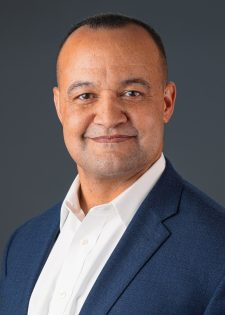
This month’s SeaSquad features an interview with advisory board member Drew Jeter of AECOM, who shares what keeps him energized in his role, the coastal issues he’s most passionate about, and how his personal connection to the coast motivates him to support research that protects these places for future generations.
Can you tell us a little about your professional background and how it connects to coastal or environmental issues?
I’ve had the privilege of leading AECOM’s global program management efforts for infrastructure, which includes experience in water infrastructure, disaster recovery and environmental management.
Before that, I served as a civil engineering officer in the U.S. Air Force for 23 years, where environmental compliance, restoration and protection were core responsibilities.
This background aligns well with CCS’s mission, particularly our focus on addressing water quality challenges and coastal resilience, like the CCS work on monitoring and managing harmful algal blooms is a critical step in protecting water resources and ecosystems, which are often impacted by infrastructure and environmental changes.
What inspired you to join the board of the Center for Coastal Solutions?
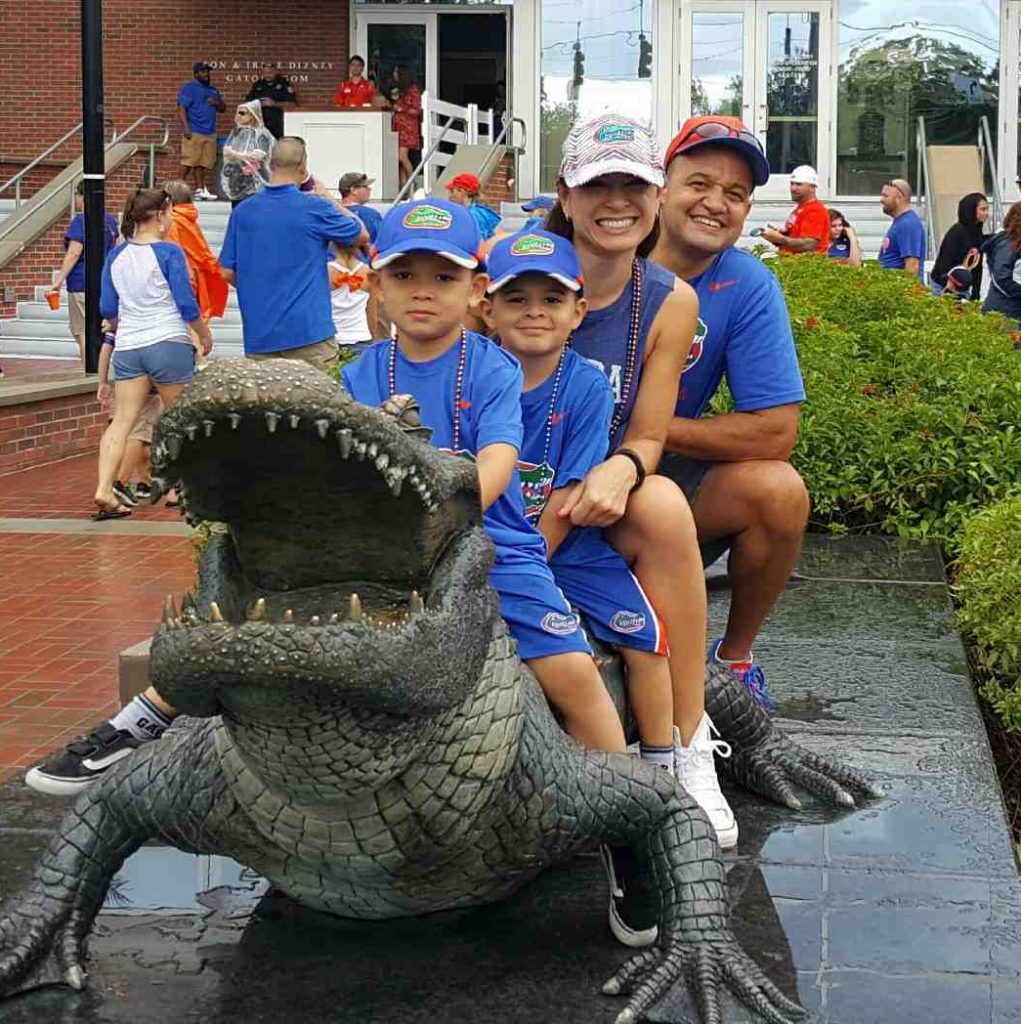
As a proud University of Florida alumnus, joining the CCS Advisory Board felt like a natural way to give back to the institution that shaped my academic foundation.
I’m passionate about sustainability and resilience, especially in coastal and environmental systems, so the opportunity to help bridge industry and research for practical, scalable solutions was exciting.
What keeps you energized about serving as an advisory board member?
What keeps me energized is the collaborative innovation happening at CCS. The partnership with the Sanibel-Captiva Conservation Foundation to address coastal water quality hazards is a great example of how the center combines cutting-edge science with real-world applications to protect Florida’s coastal ecosystems. It’s inspiring to be part of an organization that’s making such a tangible impact.
When you think about our coasts, what issues feel most urgent to you right now?
Coastal resilience is a critical issue for me, especially with the increasing frequency and intensity of hurricanes and rising sea levels. I’ve seen firsthand how devastating these events can be. Beyond hurricanes, other pressing coastal issues include water quality concerns like nutrient runoff and pollutants, erosion and habitat loss that threaten biodiversity, and the vulnerability of critical infrastructure such as ports, utilities, and transportation systems. CCS’s work on water quality monitoring, particularly efforts to mitigate harmful algal blooms, is a critical step in addressing these challenges and protecting coastal ecosystems.
“In 2003, when I was the Mission Support Group Commander at Langley Air Force Base on the coast of Virginia, we were hit by Category 5 Hurricane Isabel. The storm submerged much of the 3,000-acre base under three-to-five feet of water due to storm surge, causing around $200 million in damage. My role during this disaster included directing the evacuation of thousands of residents and workers, leading a ride-out crew of 100 personnel through the storm, and overseeing the base’s recovery efforts. That experience shaped my understanding of the urgent need for integrated disaster preparedness and infrastructure resilience.”
What do you find most exciting about the research and solutions coming out of the center?
I’m really excited about the center’s ability to use data-driven insights to enhance coastal resilience. CCS’s innovative approaches to improving water quality are groundbreaking, and the way the center integrates science, engineering and policy is very impressive.
One example that stands out is the center’s work on flooding and sea-level rise in Northwestern Florida, where we are using advanced data collection and analysis to support decision-making for coastal resilience. What’s most inspiring is the potential to scale these solutions globally, helping communities everywhere build sustainable infrastructure and protect their coastal environments.
How do you hope your perspective or background contributes to the work of the board and the center’s mission?
I hope to bring my expertise in program management to help the center implement large-scale solutions effectively. My industry background allows me to offer insights on feasibility and funding, ensuring that the solutions we develop are both practical and scalable. I’m also a strong advocate for collaboration between academia and industry, as I believe that partnership is key to creating impactful, real-world outcomes.
For example, CCS’s collaboration with the Sanibel-Captiva Conservation Foundation demonstrates how partnerships can amplify impact. By combining academic research with local expertise, we’re addressing water quality hazards in a way that’s both innovative and actionable.
Do you have a favorite coastal place or memory that connects you personally to this work?
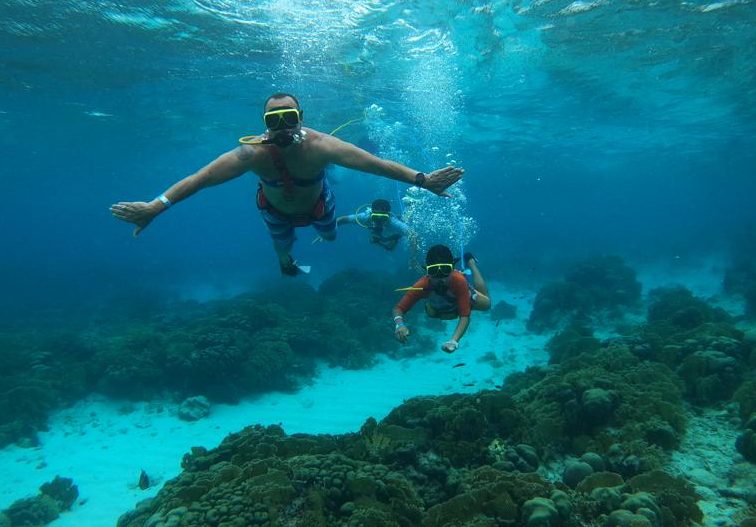
Absolutely — I’ve always been a beach person. Growing up, the highlight of our family summer vacations was spending a week at a beach house in places like Rehoboth Beach, Virginia Beach, Nags Head, Myrtle Beach and Kiawah Island. Those memories of the coast have helped shape and reinforce my love for coastal communities and environment.
Today, one of the best things about living in Central Florida is being just an hour away from incredible beaches like Daytona Beach, New Smyrna Beach and Cocoa Beach. These personal connections to the coast further motivate me to support CCS’s mission, especially our work preserving coastal ecosystems and improving water quality, which ensures that future generations can enjoy these special places as much as I have.